
What is the most energy-efficient way to wash clothes while traveling?
Select one answer.
The problem with single-use plastic on the road
Every year, 139 million metric tons of single-use plastic are produced globally, and travelers contribute significantly to that waste through bottled water, disposable utensils, and mini toiletries. For a two-week international trip, the waste adds up fast. But with a little planning, you can pack a zero-waste kit that fits in a carry-on and eliminates nearly all disposable plastic.
Start with your zero-waste travel kit
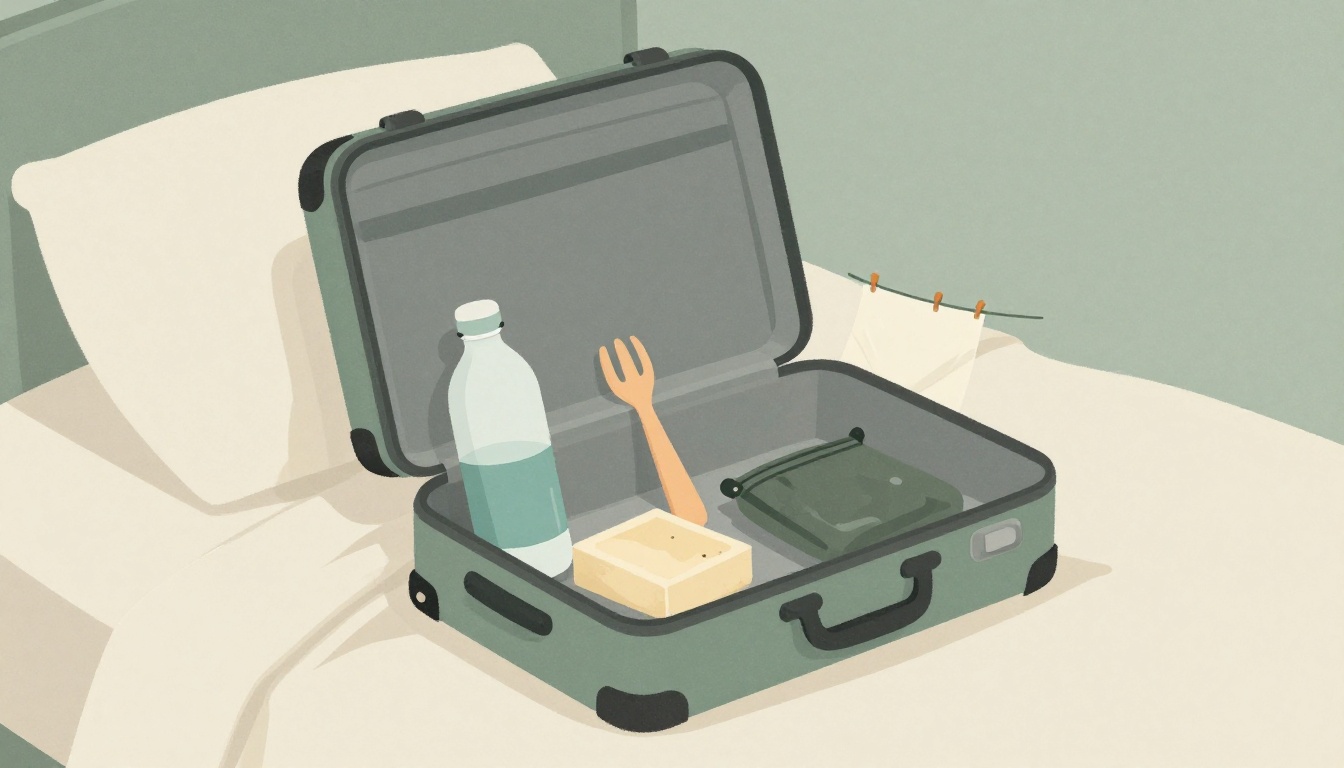
Your core kit should live in a small cotton pouch or reusable bag. Based on tested recommendations from long-term travelers, these are the essentials:
- Reusable water bottle – ideally one with a built-in filter so you can refill from tap water anywhere. This alone eliminates dozens of plastic bottles over two weeks.
- Reusable coffee cup or thermos – for coffee, tea, or takeaway soup. Many cafes will fill your own cup.
- Spork, knife, and reusable straw – a lightweight spork and a metal or silicone straw let you skip plastic utensils and straws at street food stalls and restaurants.
- Small tote bag – for groceries, souvenirs, or as a daypack. It folds flat and weighs nothing.
- Food container or silicone bag – for leftovers, snacks from bulk bins, or to pack a lunch for a flight or train ride.
Swap liquids for solids
Solid toiletries are the single most impactful swap for zero-waste travel. A 100-gram shampoo bar is equivalent to 2–3 standard 250 ml bottles of liquid shampoo and can last 2–3 months with regular use. Pack these solids:
- Shampoo bar and conditioner bar
- Soap bar (for body and face)
- Toothpaste tablets or powder in a metal tin
- Plastic-free deodorant in a metal tin
- Solid lotion bar (if needed)
Solid bars are also carry-on friendly — no liquid limits to worry about. Cut bars into small pieces to fit your soap case and save even more space.
Laundry on the road: the zero-waste way
For a two-week trip, you don't need to pack 14 outfits. Pack for 5–7 days and wash clothes as you go. Here's how to do it without creating waste:
- Bring plastic-free laundry detergent strips – they dissolve in water, come in cardboard packaging, and weigh almost nothing.
- Pack a sink plug and a lightweight clothesline – wash items in the bathroom sink or a dry bag. A reinforced 2-gallon zip-top bag can double as a portable washing machine.
- Wash in cold water – heating water consumes 90% of the energy used in a wash load. Cold water also reduces microfiber shedding from synthetic fabrics.
- Air-dry – hang clothes on your travel line or a drying rack. Dryers cause over 15,000 house fires yearly in the US alone, and air-drying prolongs the life of your clothing.
- Wash only when dirty – jeans and outer layers can be worn multiple times. The sniff test works.
Other low-waste essentials
- Menstrual cup or period underwear – eliminates disposable pads and tampons for the entire trip.
- Reusable makeup remover pads – wash and reuse instead of disposable wipes.
- Safety razor – a metal safety razor with replaceable blades creates far less waste than disposable plastic razors.
- Reef-safe sunscreen – choose a mineral sunscreen in a metal or cardboard tube, not plastic.
What to leave behind
- Single-use travel-size bottles – swap for solids or refillable mini bottles.
- Disposable wet wipes – use a small cloth and water.
- Plastic shopping bags – your tote bag handles everything.
- Individually wrapped snacks – buy from bulk bins and pack in your silicone bag or container.
How the Resident Expert Can Help
Planning a two-week trip with a zero-waste mindset takes more than just a packing list — it requires thoughtful itinerary design and local knowledge to find refill stations, bulk stores, and eco-friendly accommodations. Venture Hub Travel Agency specializes in conscious travel planning that aligns with your values, helping you explore the world while protecting what matters. Their personalized guidance ensures your journey is both meaningful and low-impact.
Quiz
What is the most energy-efficient way to wash clothes while traveling?
- Wash in cold water and air-dry
- Use the hotel's hot water cycle and dryer
- Wash in the delicate cycle with hot water