
According to World Animal Protection, what does it mean if an elephant venue allows you to ride, bathe, or touch the elephants?
Select one answer.
Start with the problem: "sanctuary" is not a protected word
In Thailand, any venue can call itself a sanctuary, rescue centre, or retirement home — the term has no legal definition. That means the sign on the gate tells you almost nothing about how the elephants actually live. Your job as a traveler is to look past the marketing and check specific, observable welfare practices before you book.
World Animal Protection's elephant-friendly tourist guide is blunt about the core test: if a venue lets you ride, bathe, or touch an elephant, the animal has almost certainly been trained through fear and control. Ethical venues let you look, not touch.
What ethical elephant care actually looks like
A genuinely ethical sanctuary mirrors an elephant's natural life as closely as possible. According to welfare-focused guides, the baseline standards include:
- No riding. Elephants are not built to carry people; riding causes long-term spinal and joint damage.
- No performances or shows. No painting, dancing, soccer, or tricks.
- No forced contact. No bathing, hugging, or hand-feeding sessions staged for photos.
- No chains or bullhooks except in a genuine emergency.
- Space to roam, forage, and socialise with other elephants in large natural areas.
- No breeding for tourism. True welfare venues shouldn't be producing babies as visitor attractions.
As Samui Elephant Haven's identification guide puts it, the decision goes beyond sightseeing — it shapes the well-being of elephants and the integrity of conservation-focused tourism.
Red flags to walk away from
Watch for these signals that profit is being placed above welfare:
- Elephant rides or trekking offered as an add-on.
- Bathing or "mud spa" sessions with direct contact.
- Photo-ops where you hug or sit with an elephant.
- Baby elephants on display, especially without their mother.
- Elephants confined to small pens, tethered, or swaying repetitively.
- Special cooked food prepared for tourists to hand-feed (elephants' digestive systems differ from other animals and such foods can cause bloating).
- No clear welfare policy, no veterinary support mentioned, and no limit on daily visitor numbers.
Ecobnb's 2026 guide notes that common problems at pseudo-sanctuaries include small restricted areas, forced visitor contact, and fear-based training — all of which cause stress and erode natural behaviour.
A practical booking checklist
Before you pay a deposit, run through these steps:
- Read the activity list carefully. If bathing, riding, or touching appears anywhere, cross it off.
- Check the welfare policy. Ethical venues clearly explain their animal welfare rules and visitor conduct expectations.
- Ask about visitor limits. Reputable sanctuaries cap daily numbers to avoid crowding, which is also a safety issue — crowded elephants can be unpredictable and dangerous.
- Ask where the elephants came from. Genuine rescues can describe each animal's history and confirm they live there permanently, not rented for display.
- Look for education and conservation focus. Programs that emphasise rehabilitation goals, habitat management, and learning are easier to verify.
- Check for community involvement. Some sanctuaries run school education programs and partner with local farmers — a sign of longer-term sustainability.
- Confirm veterinary care. Ask who provides medical support and how often.
- Book directly or through a vetted operator that communicates its animal welfare standards.
Where to look for verified options
Several well-documented projects meet these standards. Elephant Nature Park near Chiang Mai is a rescue and rehabilitation centre founded by Saengduean Chailert (known as Lek) and describes itself as the first ethical elephant sanctuary of its kind in Asia, caring for elephants rescued from street begging, riding, and circus shows. Other frequently cited ethical options include Burm and Emily's Elephant Sanctuary (BEES) in Chiang Mai, which offers hands-off, observation-based visits, and Kindred Spirit Elephant Sanctuary.
Responsible Travel maintains a regularly updated list of sanctuaries it does and does not support, based on whether venues breed elephants or offer rides or performances. Use lists like these as a starting filter, then verify current practices yourself — centres can change over time.
The bottom line
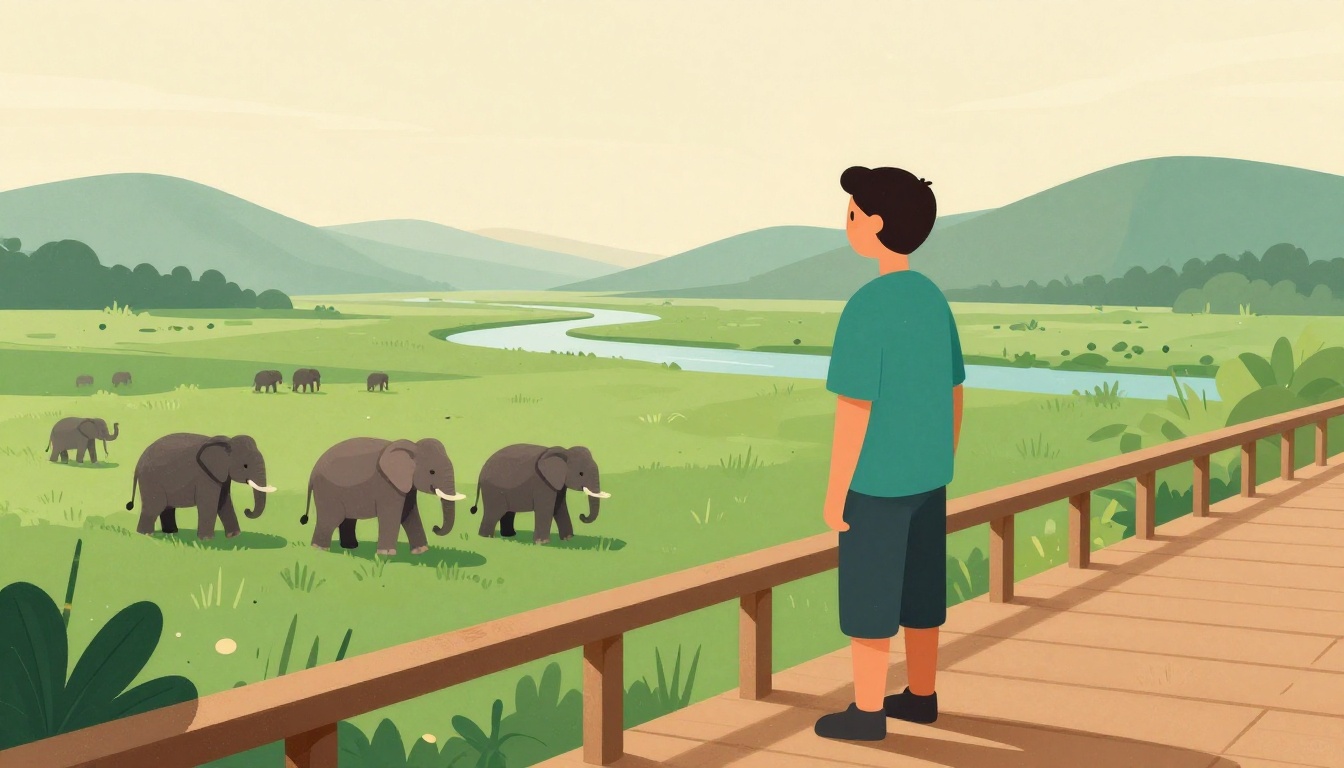
Choosing ethically means accepting less interaction, not less meaning. Observing elephants forage, dust-bathe, and socialise from a respectful distance is the experience a real sanctuary offers. If a venue promises you'll get in the water with them, that promise is the red flag.
How the Featured Expert Can Help
Venture Hub Travel Agency designs thoughtful, conscious itineraries focused on meaningful experiences and responsible travel. If you want help building a Thailand trip around verified ethical wildlife encounters, you can start with their personalised travel planning.
Think you can spot the difference? Test yourself before you book.